Why Give Birth at Home?
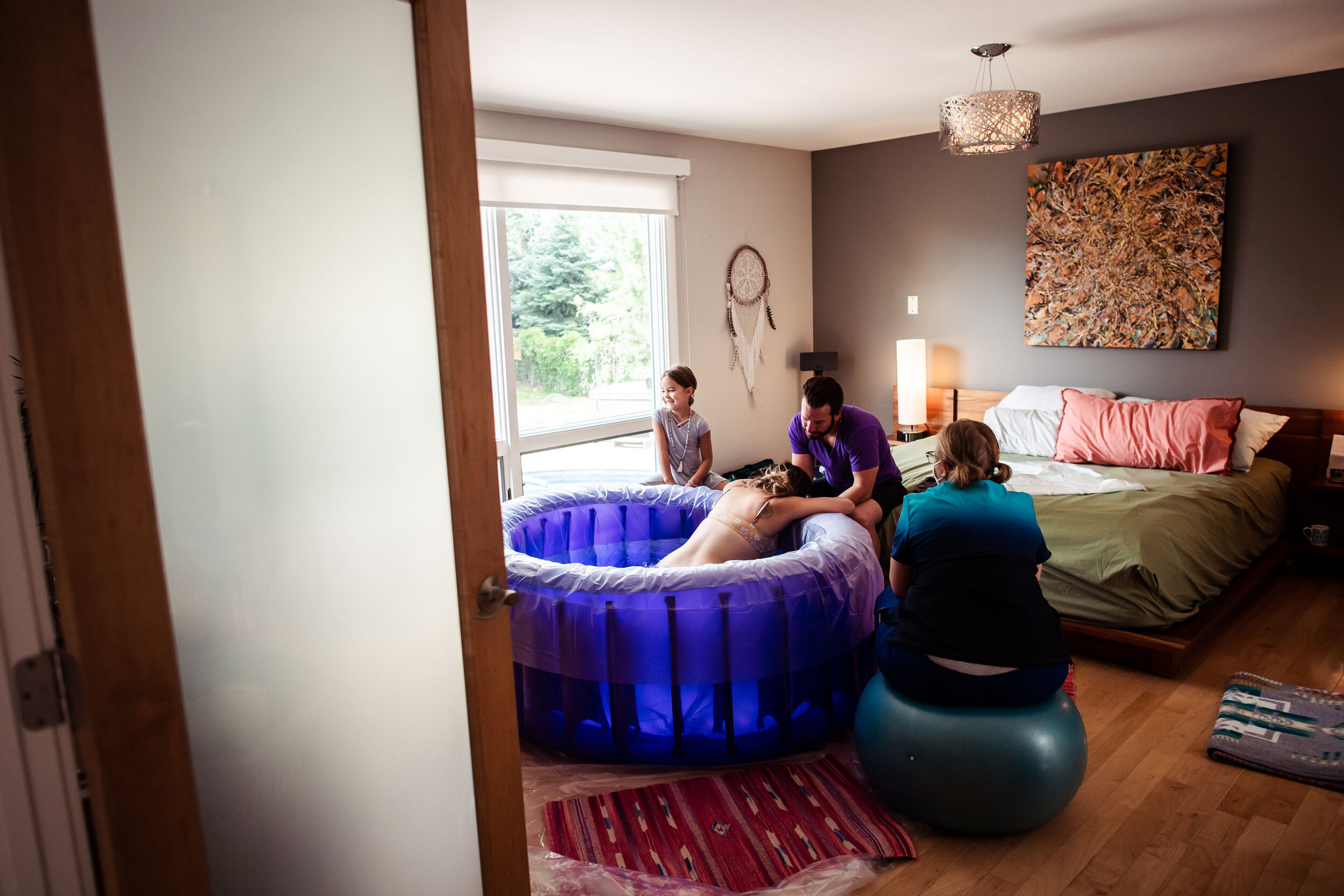
Women choose to give birth at home for a variety of reasons, which can vary depending on their personal preferences, medical circumstances, and beliefs. The main motivation is the desire for a natural birth in an intimate, warm, and calm environment, free from medical intervention or pain relief such as an epidural. The mother is supported by an independent midwife, possibly a doula, and loved ones of her choice. The mother sets the pace, but this requires a great deal of preparation!
It is important to note that giving birth at home can involve risks and unexpected complications, sometimes requiring emergency medical intervention. The decision to give birth at home should be made in consultation with a healthcare professional to ensure the safety of both the mother and the baby.
What are the requirements for a home birth?
In Switzerland, giving birth at home is a legal option, but there are certain conditions and requirements that must be met in order to do so safely:
- A home birth must be supervised by a midwife licensed in Switzerland. The midwife plays a vital role in planning, managing, and monitoring the birth.
- Before a home birth can be planned, the mother must undergo a thorough medical evaluation to determine whether it is feasible. Her overall health, the status of her pregnancy, and any potential risks are taken into account.
- Home birth is generally recommended for low-risk pregnancies—that is, those without major medical complications (such as multiple pregnancies or breech presentations).
- You should work with your midwife to develop a detailed birth plan that includes information on how the mother would like the birth to proceed and the options available in case of complications.
- The birthing environment must be clean, safe, and appropriate, and the necessary medical equipment must be provided (birthing tub, basic medical supplies, pain medication, etc.).
- You should have an emergency transportation plan in case a complication arises during childbirth that requires a transfer.
- The mother must give her informed consent for a home birth, which means she understands the benefits and risks.
Prenatal Care & Childbirth
Giving birth at home requires a great deal of preparation and commitment on the part of the mother, her partner, and the midwife, with whom there will need to be a lot of communication and discussion.
At the beginning of their first meeting, the midwife will explain to the couple how she works and what she can and cannot do. The couple will then express their expectations, fears, and wishes in a birth plan.
As the birth approaches and contractions intensify, the mother contacts her midwife so she can come to her home to assess the situation. Depending on how far along labor is, the midwife either leaves or stays with the expectant mother. In terms of timing, you can call your midwife at about the same time you decide to head to the hospital. Today, there are apps that let you track the frequency of your contractions and send the data to your midwife.
During childbirth, the midwife makes sure everything is going smoothly (the birth and the newborn’s physical condition, delivery of the placenta, bleeding, uterine tone, etc.).
After a baby is born at home, the mother and newborn receive immediate care, including a health assessment. The baby is placed skin-to-skin with the mother, and the umbilical cord is cut. The details of the birth are recorded. The family has time to rest and strengthen the bond between the mother and the baby. The midwife continues to provide postpartum care, and in the event of complications, she may recommend a transfer to a hospital for emergency medical intervention. The safety of the mother and baby remains THE top priority at every stage.
Insurance Coverage
Just like giving birth in a maternity ward or birthing center, home births are covered by mandatory health insurance (LAMAL) and include: the midwife’s fees, medical supplies, postpartum care and home visits, and costs related to complications.
It is important to note that rules and regulations may vary from canton to canton in Switzerland; therefore, it is recommended that you consult a licensed midwife in your area to obtain specific information about home birth care in your canton. Coordination with your health insurance provider and early planning are essential to ensuring adequate care for a home birth in Switzerland.







Share this article