Since time immemorial, childbirth has always taken place at home, among women. However, obstetrics has become a medical specialty, and since the 1960s, the majority of births have taken place in hospitals. In the 1970s, women began to speak out and sought to regain control over various aspects of their lives, including childbirth. Birthing centers began to emerge.
What is a birthing center?
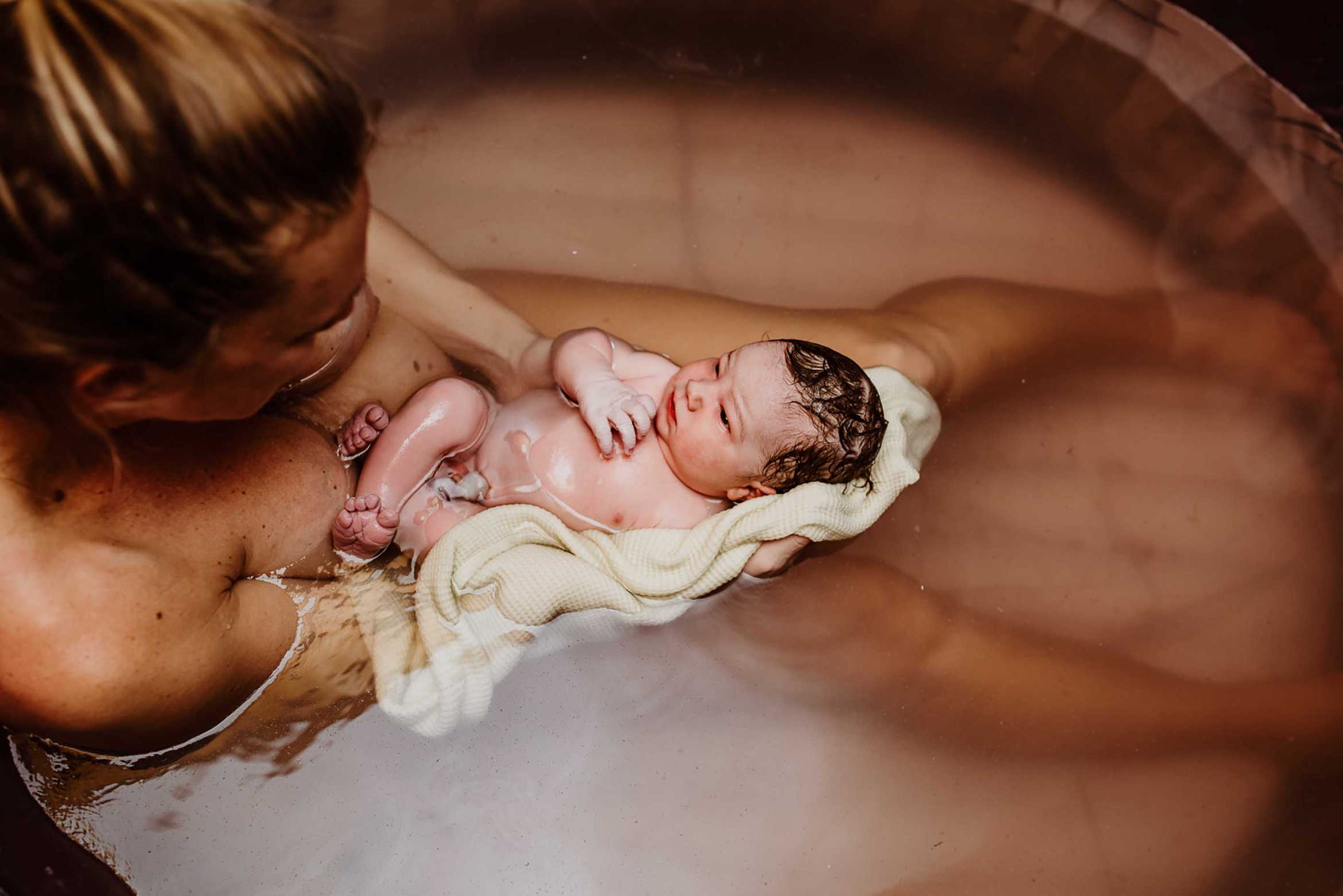
A birthing center is an alternative to traditional hospitalization. Run by midwives, it provides personalized and compassionate care throughout pregnancy, childbirth, and the postpartum period in an intimate setting. Care is comprehensive, and the same midwife provides follow-up care from start to finish.
What are the requirements for giving birth at a birthing center?
Access to birthing centers is limited to women who do not have any specific risk factors, whose pregnancies are progressing normally, and who are not expected to require medical interventions during labor or delivery.
If the expectant mother is over 41 years old, is pregnant with twins, has a medical condition such as diabetes, has had a previous complicated pregnancy, or has had a previous cesarean delivery, she will not be able to give birth at a birthing center. The same applies if, during the pregnancy, there is a risk to the health of the mother or the baby (placenta previa, preeclampsia, intrauterine growth restriction, breech presentation, preterm birth before 37 weeks of gestation, or post-term pregnancy after 42 weeks of gestation).
Prenatal Care & Childbirth
Midwives have all the necessary skills to manage a normal labor. Monitoring the progress of labor during childbirth is carried out in accordance with recognized obstetric standards and in compliance with regulations governing obstetric and neonatal risks.
As for the medicalization of childbirth, it is kept to a minimum: no routine IVs, no continuous monitoring, episiotomies are virtually nonexistent, and no epidurals.
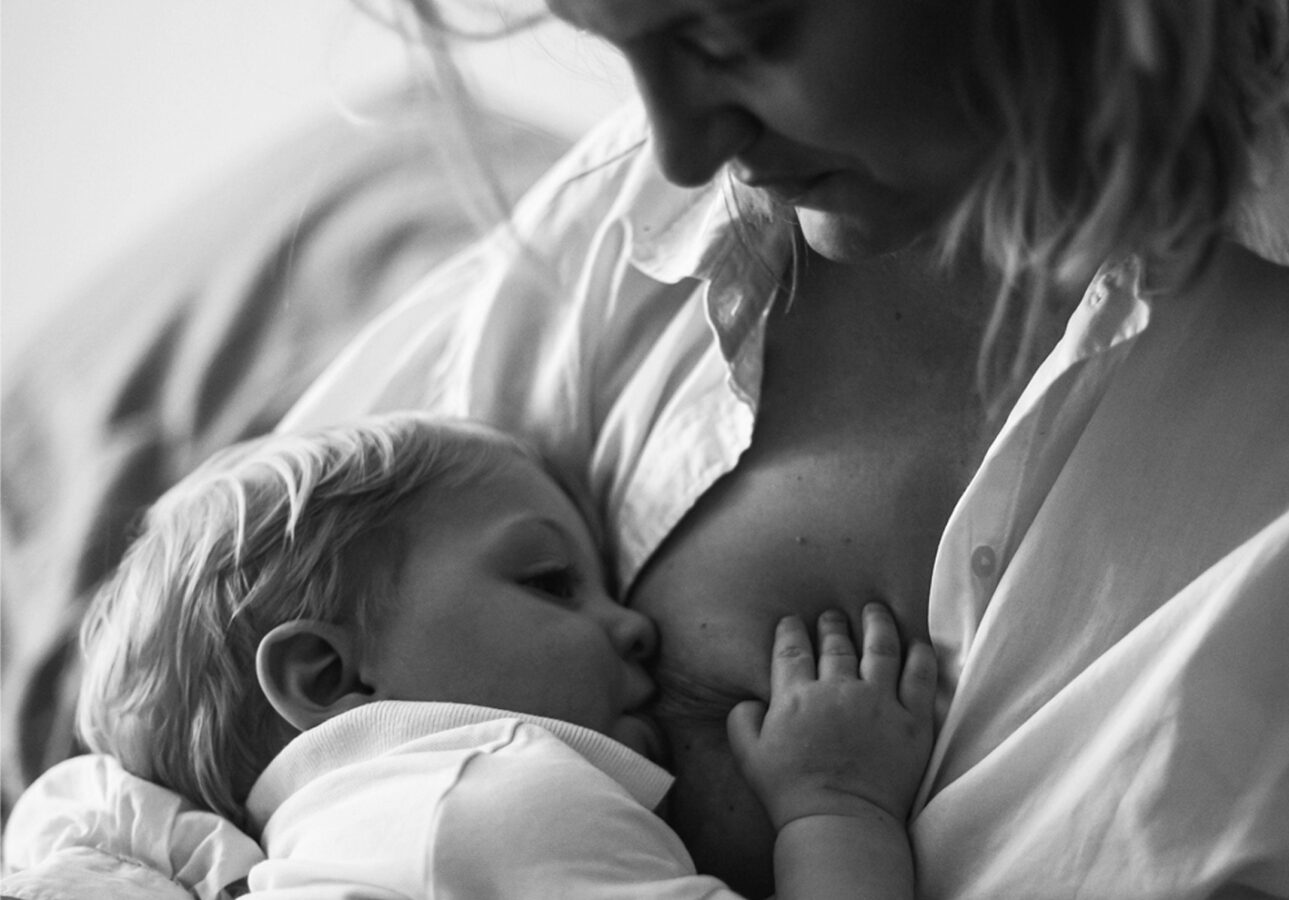
The midwife stays at the birthing center for at least three hours after the baby is born to monitor the baby’s and the mother’s health and assist with the first breastfeeding session.
In the event of complications, the midwife is authorized to intervene. She may request a consultation with a doctor or arrange for a quick and safe transfer to a hospital. In the event of a transfer, the midwife accompanies the mother and baby and remains responsible for their care until they are under medical supervision.
Medical Staff & Facilities
Delivery rooms are designed to support the natural birthing process: a welcoming, calm, and harmonious environment, with features that promote mobility during the various stages of labor, and a birthing tub to aid dilation and to welcome the baby for those who wish to use it.
Medical equipment for medical care and resuscitation is stored so that it is accessible at all times but out of sight if everything goes smoothly. Women are offered various options to help them cope better with labor: massage, changing positions, walking around, music, aromatherapy, homeopathy, acupuncture, baths…
Insurance Coverage
Coverage varies by canton, but normally, prenatal and postnatal care provided by a midwife, as well as hospitalization and care during childbirth, are fully covered by basic health insurance (LAMal) with no copayment or deductible. For more information about costs, contact your insurance provider or ask the birthing center of your choice directly.
Length of stay
A birthing center is not intended to keep mothers there. The length of stay generally ranges from 6 to 24 hours. For some mothers, it’s a positive thing to go home as soon as possible, while others would prefer to stay longer to rest.
Birth Plan
Don’t forget to prepare a birth plan to give to the midwifery team, in which you’ll outline all your wishes for the big day. Examples: I would like a natural birth, without an epidural, using the self-hypnosis techniques I learned during my childbirth classes; I’d like to have skin-to-skin contact with my baby for as long as possible; I do not wish to breastfeed; I’d like the umbilical cord to be cut as late as possible; ideally, I’d like to give birth in water, etc.
In the French-speaking region of Switzerland, there are 10 birthing centers: 1 in Geneva, 4 in Vaud, 1 in Neuchâtel, 1 in Fribourg, 2 in Valais, and 1 in Jura.
CANTON OF GENEVA
CANTON OF VAUD



CANTON OF NEUCHÂTEL

CANTON OF VALAIS


CANTON OF JURA

CANTON OF FRIBOURG




Share this article