

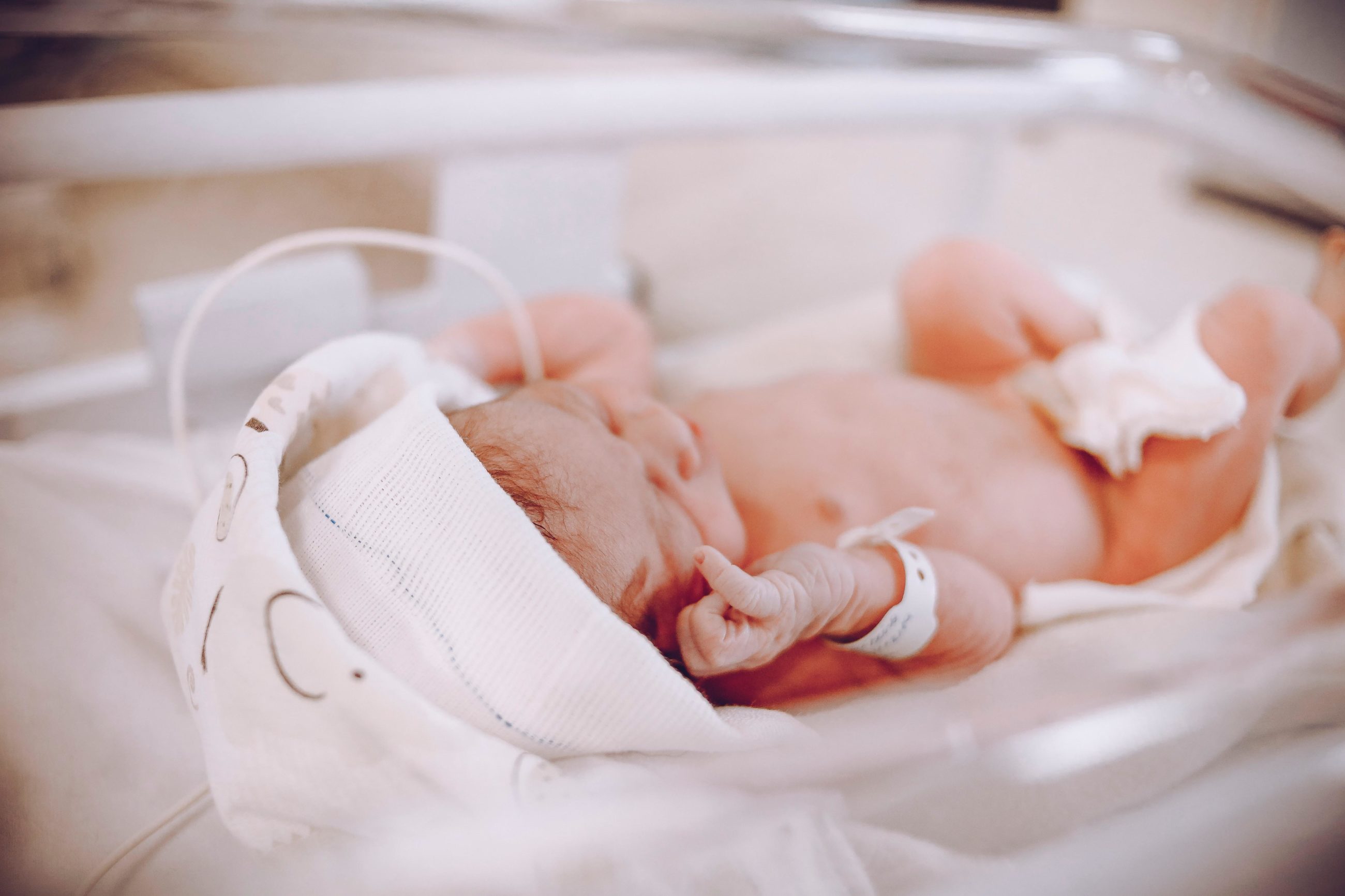
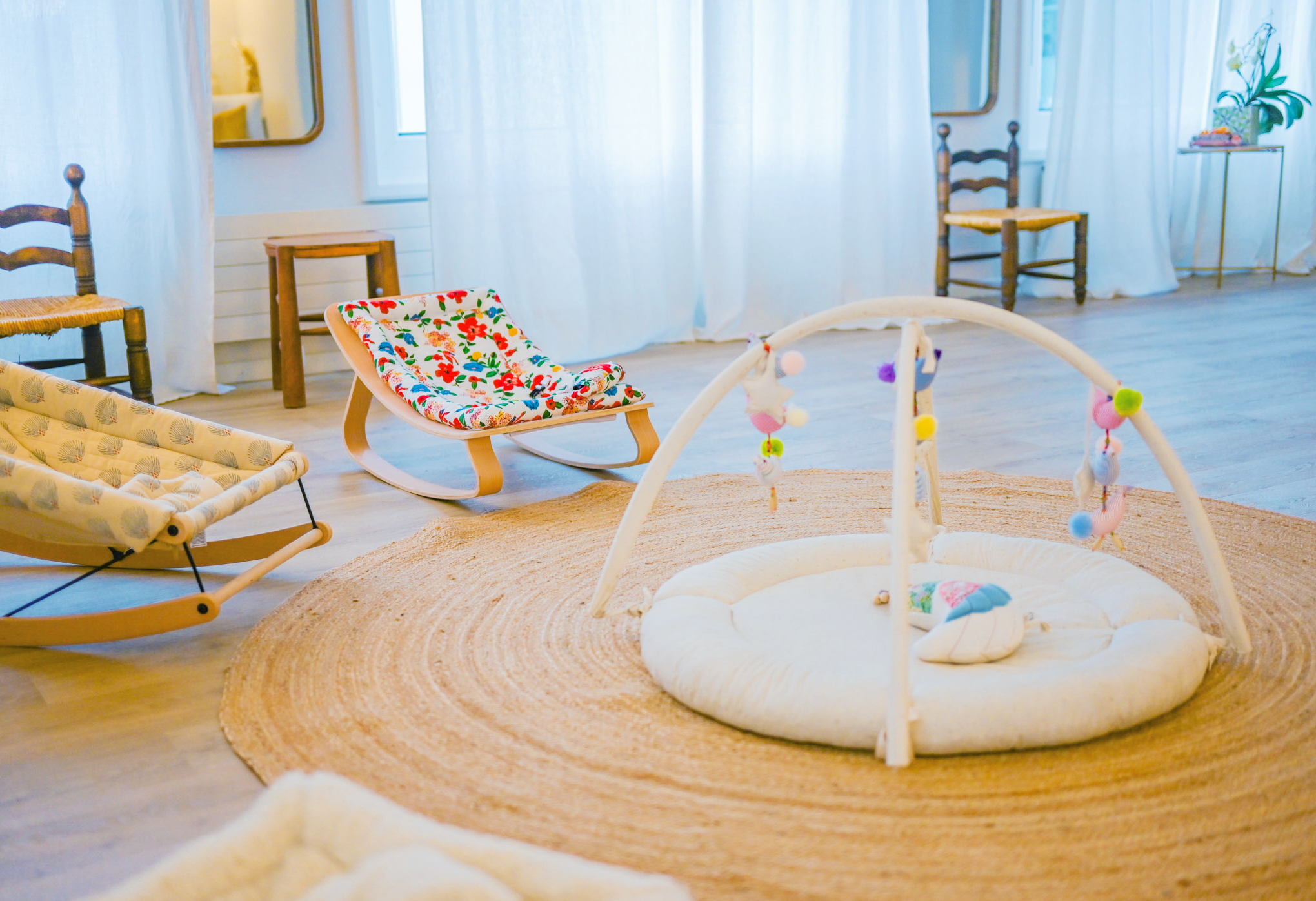



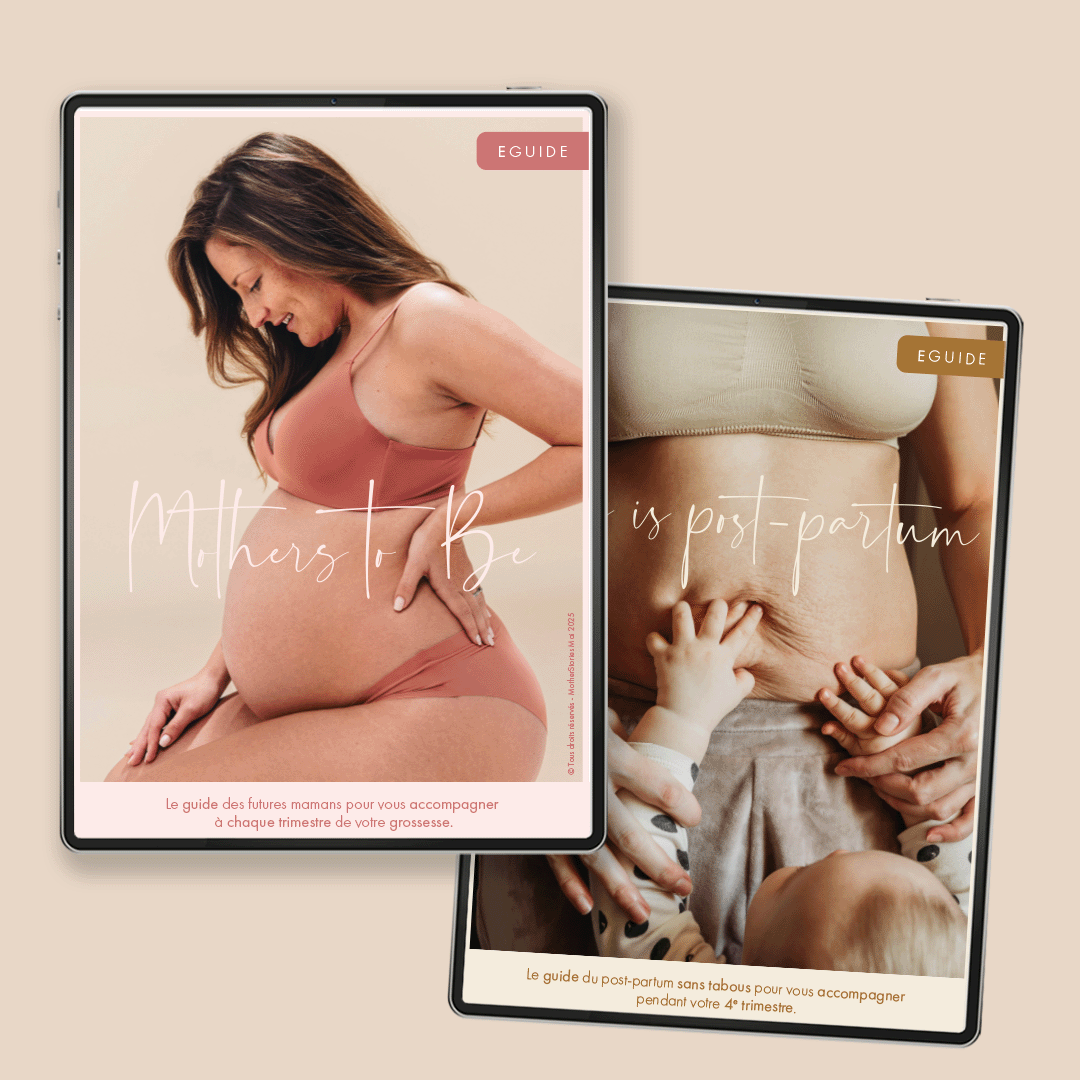

Over the past few years, women have been revealing the true nature of this very special time known as the postpartum period. Just as rich and complex as pregnancy (with the baby at the center of everyone’s attention), the postpartum period is often—and rightly so—referred to as the fourth trimester, and yes, we can prepare ourselves to navigate it more peacefully—or at least more mindfully. Let’s take a deep breath and start reading!

Etymologically, “post” means “after” and “partum” means “delivery.” Well, okay. If it’s post-delivery, it’s over, right? No, it’s only just the beginning. First of all, you have to keep in mind that every woman will experience this period differently depending on her pregnancy, her birth, and especially how she is supported and guided in her new role as a mother and in a body that has just given birth—a body she may have difficulty recognizing. We will therefore focus here on the physical aspects.
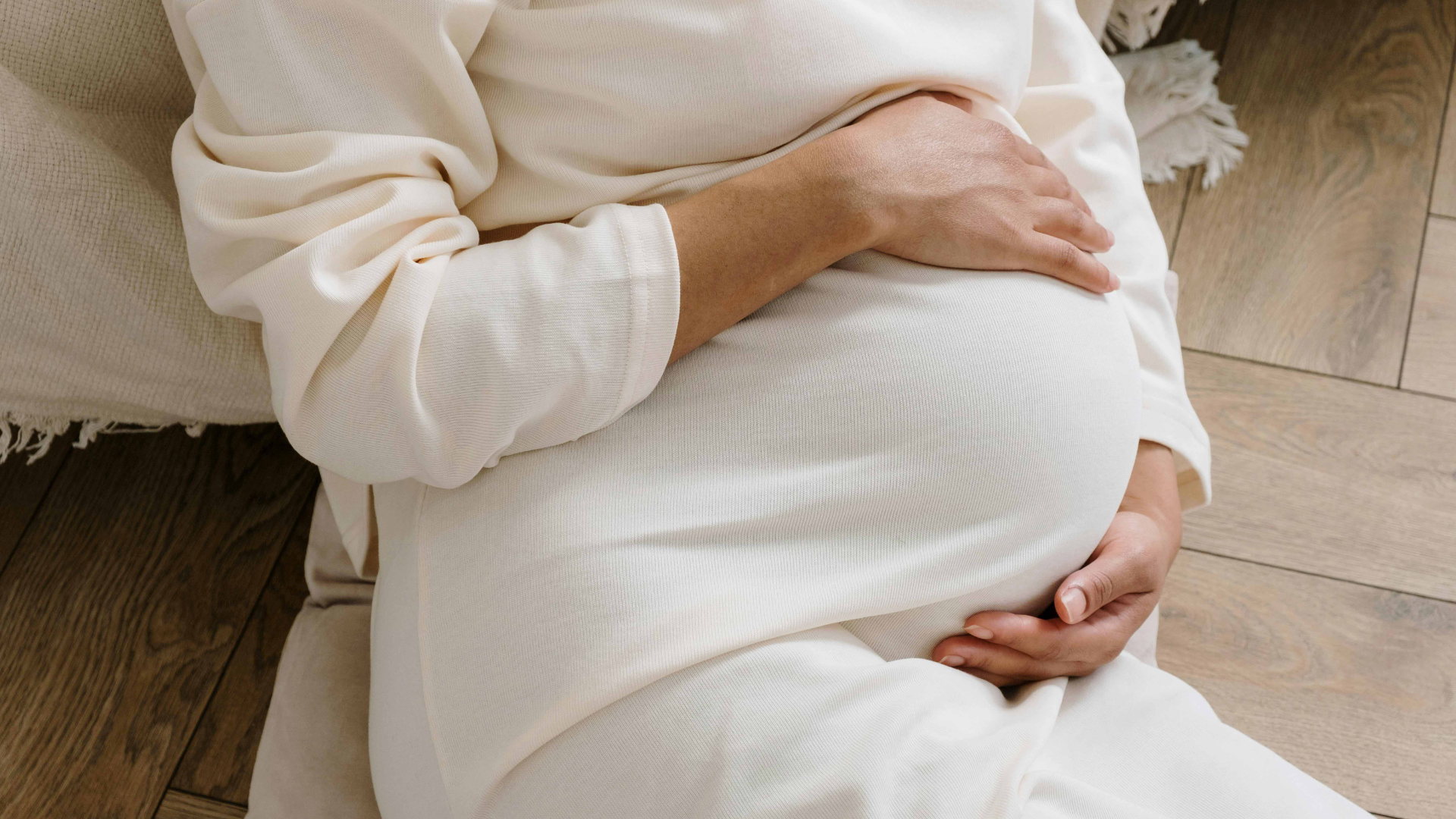
In the immediate postpartum period—the first few days (and weeks) afterward—you'll still have a belly; it certainly won't be the same as when you were pregnant, but it will be somewhere in between. You'll be glad to keep wearing your maternity clothes for a little while longer.
Lochia—the bloody discharge that can last anywhere from a few days to a few weeks, depending on the woman, and that empties and “cleans” the uterus after the placenta is delivered—will make you glad you’re wearing extra-large sanitary pads and, of course, those famous mesh panties! At this point, even your favorite comfortable Sunday panties will feel like a thong… as you can see, we’re all about COMFORT and convenience. You’ll tend to lose a little more blood all at once when you change positions or when the midwife gently presses on your belly to check for clots and to make sure the uterus is gradually returning to its original size and position. This bloody discharge shouldn’t have a bad odor, as that could be a sign of a possible infection or other symptoms (fever, persistent pain, etc.).
If you’re having a vaginal delivery, your genital area will likely be a little sore and swollen—after all, you’ve just given birth to a little human being! Of course, special care and attention are needed if you’ve had a tear or an episiotomy and required stitches. If you’re having a cesarean delivery, the post-operative period can be painful, and you’ll be given medication to relieve the pain. You’ll need more help holding your baby for the first few days and caring for him or her. In general, the body recovers much more slowly after a cesarean section than after a vaginal delivery, and this is quite normal and understandable. Some women handle it well, while for others it’s more difficult. Here again, good preparation during pregnancy is important in the case of a cesarean section so that you can make the most of the experience. The scar will be monitored in addition to all the other checks of the uterus and lochia, just as with a vaginal delivery.
Get out the horns and drums because here comes the terminology of war… the trenches! These are contractions that occur especially when the baby is nursing. In fact, oxytocin (the “love hormone” and also the “childbirth hormone”) is released during feeding. The uterus contracts in order to quickly and effectively return to its normal size and position. This also helps reduce and eventually stop the bleeding. So, it’s a rather harsh word to describe such a natural and beautiful phenomenon of the human body, isn’t it? Get comfortable while breastfeeding, and don’t forget to breathe slowly and deeply. It only lasts for the first few days.
From the end of pregnancy and after delivery, the breasts will produce colostrum, which is the very first milk your baby will be able to benefit from. More yellow and thicker than “mature” milk, this “liquid gold” is a superfood—packed with antibodies, vitamins, proteins, and minerals for your baby. The milk comes in around the third day, depending on the woman. Your breasts will swell and feel tight—and the look on your husband’s face the first time can be quite a sight, haha! For women who are breastfeeding, the beginning can be a bit confusing and not very pleasant. It’s a real learning process for both mom and baby that requires calm, patience, and support. You can find our article on breastfeeding here. The return of your period—that is, the return of menstruation—will depend on each individual, and it can be delayed as long as you’re breastfeeding, for example. Even so, you’ll be fertile again very soon after giving birth, so it’s best to know your own body well and be mindful of your birth control method, whatever it may be.
We’ve seen the first immediate signs after birth, but the postpartum period is much more than that. In most non-Western countries, the first 40 days of a baby’s life are extremely important and rewarding for the mother, who has also just given birth. During this “golden month,” the new mother is allowed only to rest, eat well, and get to know and care for her baby. Unfortunately, this is not the case in our society, where everything has to move quickly—where a woman is expected to fit back into her pre-pregnancy jeans (as soon as possible), to be just as efficient at work (as soon as possible), and to resume a sex life “just as before” (as exciting as possible). Not to mention the overwhelming mental load of 21st-century women and its many pressures. So what if the housework isn’t done (by you)! Women may feel like they haven’t done anything all day when they may not have had time to take a shower or eat anything. Well, yes—these mothers spent the day caring for their babies and just getting through the day, providing love, food, care, and security. And all of this is no small feat; it is VITAL. Everything else is secondary. And without further ado, we cannot discuss the postpartum period without mentioning what happens emotionally and psychologically. Having a baby is a complete upheaval, with moments of extreme happiness and wonder, as well as moments of loneliness, anxiety, and sadness. Many women experiencethe “baby blues,” which is a physiological consequence of the very rapid hormonal changes during the postpartum period. Women may feel very sensitive and emotional, anxious, or irritable. This usually lasts for a week and resolves without any professional intervention. If it persists over time and gradually becomes overwhelming, we refer to it aspostpartum depression, which requiresfollow-up care and psychological support to prevent it from recurring regularly.Postpartum psychosisis a very serious illness that requires hospitalization, characterized by confused and incoherent speech and behavior. It is a life-threatening emergency for both the mother and the baby. There are also casesof post-traumatic stress disorderdirectly linked to the birth process, which can affect the bond with the baby and also requires appropriate care.
It is important to remember at this point that the context leading up to pregnancy must be taken into account, that every story is different, and that every woman has her own experiences and baggage. For a smooth transition from life in the womb to life outside, the mother, baby, and co-parent need to create their own space—in a quiet, undisturbed environment—while the mother can take a moment to rest. Even if you really want all the people you love to meet this little wonder, and everyone wants to hold her in their arms, the people around you shouldn’t be intrusive, nor should they take over caring for the baby. Instead, they should respect the needs and wishes of the child and her mother, as well as the home visit schedules set by the new parents. The environment must be supportive. There’s no need to bring 15 stuffed animals—instead, ask them to bring a hot meal or something to freeze! To make coffee for you or watch your baby while you take a shower. To do the housework or fold the laundry while you take a nap with your baby. Little things that are so simple to do and that will go a long way toward making this unique time a beautiful experience. Don’t compare yourself to others, and don’t judge yourself. Take this short time to recover, to get to know your baby, to respect yourself, and to make love when you feel like it. Start gentle exercise 6 to 8 weeks after giving birth, and only after completing perineal rehabilitation—even if you had a C-section. Accept your emotions, make room for them, communicate with your partner, who is also going through a major life change, and don’t hesitate to talk about it with your midwife or call a doula (even if you didn’t have one during your pregnancy). It’s never too late.
More and more women are becoming aware of this intense period. As a true “fourth trimester” of motherhood, expectant mothers and their partners truly benefit from learning about the physical aspects of the postpartum period—including fatigue, emotions, sexuality, and relationships—as well as the role of those around them, so that parents can assert their choices and get the help they need at that time. Yes, there will be moments that are more difficult than others, and that’s totally okay. Take your time; slow down—not to forget yourself, but to embrace the physical and emotional transformation—and observe and discover. The birth of a mother—so often trivialized these days—fosters a new creativity in women, an affirmation of self, and contributes neither more nor less to spreading the unconditional love of future generations.
Reading
- Julia Simon, Living Well Through the Fourth Trimester Naturally, First Publishing, 2019
- Julia Simon, Natural Recipes for the Fourth Quarter, First Publishing, 2021
- Céline Chadelat, Marie Mahé-Poulin, The Golden Month: Making the Most of the First Month After Childbirth, Presses du Châtelet, 2019.

Rebeca Foëx-Castilla
, mother of Ethan, Amos, and Numa
Doula in training & Perinatal loss support
Instagram@rebeca_doula
Read herMotherStory



Share this article